




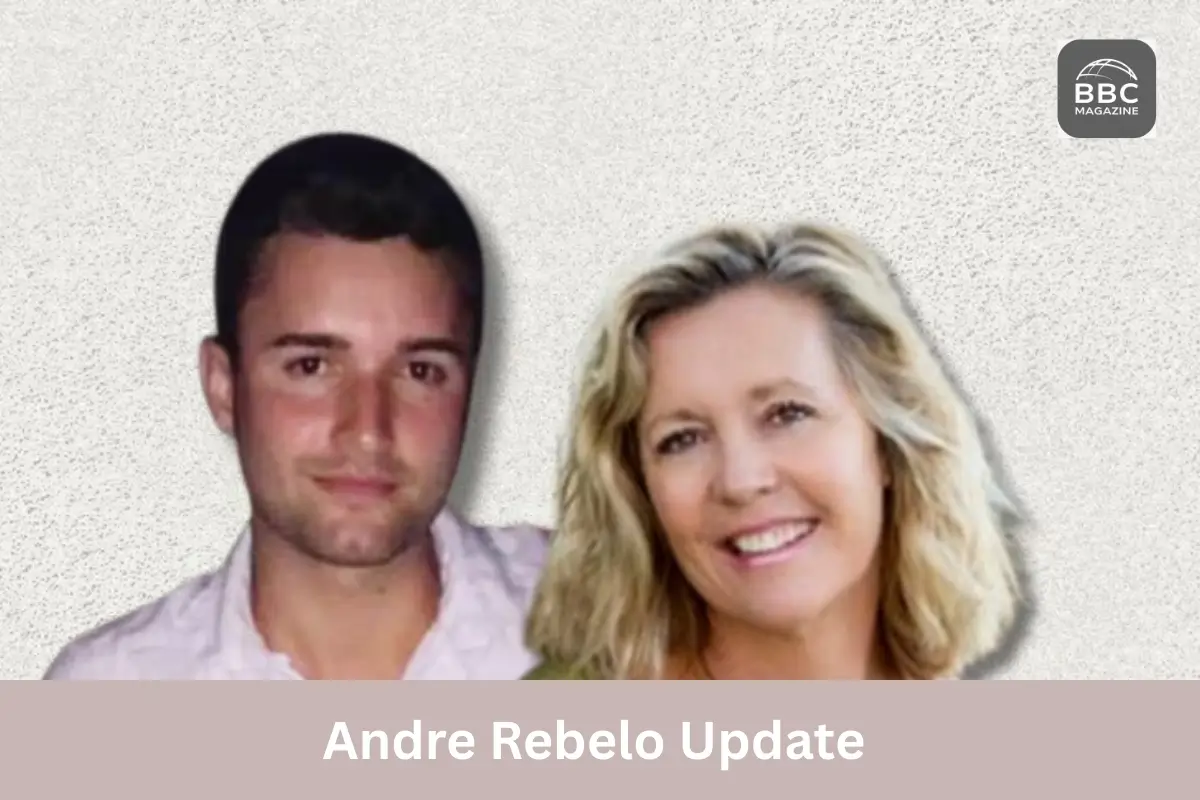
The conviction of Andre Zachary Rebelo for the murder of his mother, Colleen Rebelo, brought to a close one of Western Australia’s most unsettling criminal cases. The matter was not defined by dramatic forensic discoveries or eyewitness accounts. Instead, it unfolded slowly, built on circumstantial evidence, financial records, digital data, and conduct that police and prosecutors argued revealed a calculated attempt to profit from deception.
Colleen Rebelo’s death in May 2020 initially appeared to be a tragic but unexplained event. There were no obvious signs of violence, no forced entry, and no immediate reason for police to suspect foul play. For months, the case sat quietly, regarded as a sudden death without a clear cause. It was only after life insurance claims were made that the focus shifted, setting in motion a prolonged investigation that would take more than two years before a murder charge was laid.
By late 2024, a jury found Andre Rebelo guilty of murder. In April 2025, he was sentenced to life imprisonment with a minimum non-parole period of 25 years. He now remains in custody while preparing an appeal that challenges the circumstantial nature of the evidence used to convict him.
Andre Zachary Rebelo: Background and Personal Circumstances
Andre Rebelo is a Perth man who, before his arrest, lived a life that appeared outwardly stable and aspirational. He worked previously as a supermarket delivery driver and later described himself as a cryptocurrency investor. At the time of his mother’s death, he was in a relationship with social media influencer Gracie Piscopo, and the couple shared a young child.
Online, Rebelo and Ms Piscopo portrayed a lifestyle defined by travel, designer clothing and family milestones. This image formed part of the prosecution’s narrative, not because of its public nature, but because it contrasted sharply with the financial reality later uncovered by investigators.
Court evidence showed Rebelo was under significant financial strain. He had accumulated personal debts exceeding $100,000, was being pursued by debt collectors, and had not generated meaningful income from cryptocurrency trading for several years. Despite this, he had told his partner that he was expecting a large financial windfall, including claims that he was about to receive hundreds of thousands of dollars.
Prosecutors argued this disconnect between appearance and reality created pressure that would later form the motive for murder. Ms Piscopo was not accused of any involvement in the offence.
The Death of Colleen Rebelo
On 25 May 2020, Colleen Rebelo, aged 58, was found dead in the shower of her home in Bicton, a riverside suburb in Perth’s western suburbs. She was discovered by her youngest son, Fabian, at around 2:30pm.
The circumstances at the scene did not immediately suggest a crime. The shower was running, the water temperature was described as normal, and Colleen was still wearing jewellery and makeup. There were no visible injuries, no signs of forced entry, and no obvious disturbance inside the home.
Emergency services attended the property, but the death was not treated as suspicious. A post-mortem examination was carried out, yet it was unable to determine a cause of death. There was no clear evidence of drowning, poisoning, or a fatal medical episode. While asphyxiation could not be ruled out, it could not be confirmed.
With no definitive findings, the death was recorded as unexplained. There was no immediate police investigation beyond routine procedures, and no suggestion at that time that Colleen Rebelo had been the victim of a crime.
Life Insurance Policies and the Emergence of Suspicion
The direction of the case changed dramatically in the days following Colleen Rebelo’s death. Andre Rebelo contacted insurance companies to begin claiming on life insurance policies that had been taken out in his mother’s name.
Police later established that three life insurance policies had been arranged in the week before Colleen Rebelo died. Rebelo named himself as the sole beneficiary. The combined value of the policies exceeded $1.15 million, including one policy worth $500,000 that he pursued with particular urgency.
Just three days after his mother’s death, Rebelo initiated the claims process. The speed with which the claims were made, coupled with inconsistencies in the supporting documents, raised concerns within the insurance industry.
At the same time, investigators later uncovered that Rebelo was experiencing serious financial pressure. Despite the appearance of wealth online, he was struggling to meet his financial obligations and had misrepresented his income prospects to his partner. Prosecutors argued the insurance policies were taken out as part of a deliberate plan to obtain money quickly.
How Police Became Involved
An insurance company employee raised concerns about Rebelo’s claims and referred the matter to Western Australia Police. In September 2020, police began an investigation, initially focused on suspected insurance fraud rather than homicide.
At that stage, Colleen Rebelo’s death was still not regarded as suspicious. Investigators concentrated on the insurance policies themselves, reviewing application forms, medical disclosures and the timeline of the claims.
This phase of the investigation was document-heavy and administrative in nature. Police sought to determine whether false information had been provided to insurers and whether fraud offences had been committed.
Forged Documents and a Turning Point in the Case
As police examined the insurance material, they discovered that Rebelo had submitted falsified documents. These included a forged copy of his mother’s will, a false coroner’s report and fabricated medical and legal records.
Rebelo later admitted under oath that he created and submitted these documents. He claimed he acted out of panic and fear, saying he believed the insurance policies would be void if his mother’s death was ruled a suicide. The court rejected this explanation.
The discovery of forged documents marked a turning point. Investigators began to question why such extensive deception would be necessary if the death was natural. The focus of the investigation expanded beyond fraud, prompting police to re-examine the circumstances of Colleen Rebelo’s death itself.
Re-examining the Death: Police Investigation Deepens
Once homicide detectives became involved, police undertook a detailed reconstruction of the events surrounding Colleen Rebelo’s final day. Digital evidence became central to this process.
Mobile phone data placed Andre Rebelo at his mother’s home between 10:33am and 11:40am on the day she died. Investigators noted that Rebelo initially failed to tell police he had visited his mother that morning. When questioned later, he acknowledged the visit but said he was not in the right state of mind when first spoken to.
Police also examined messages Rebelo sent after his mother’s death. Some of these messages suggested future contact, which investigators believed was inconsistent with the known circumstances. Police argued this conduct was designed to obscure his movements and create the impression that nothing was amiss.
Although medical experts could not determine how Colleen Rebelo died, police concluded that the combination of financial motive, opportunity, deception and post-death conduct justified a charge of murder.
Arrest and Laying of Charges
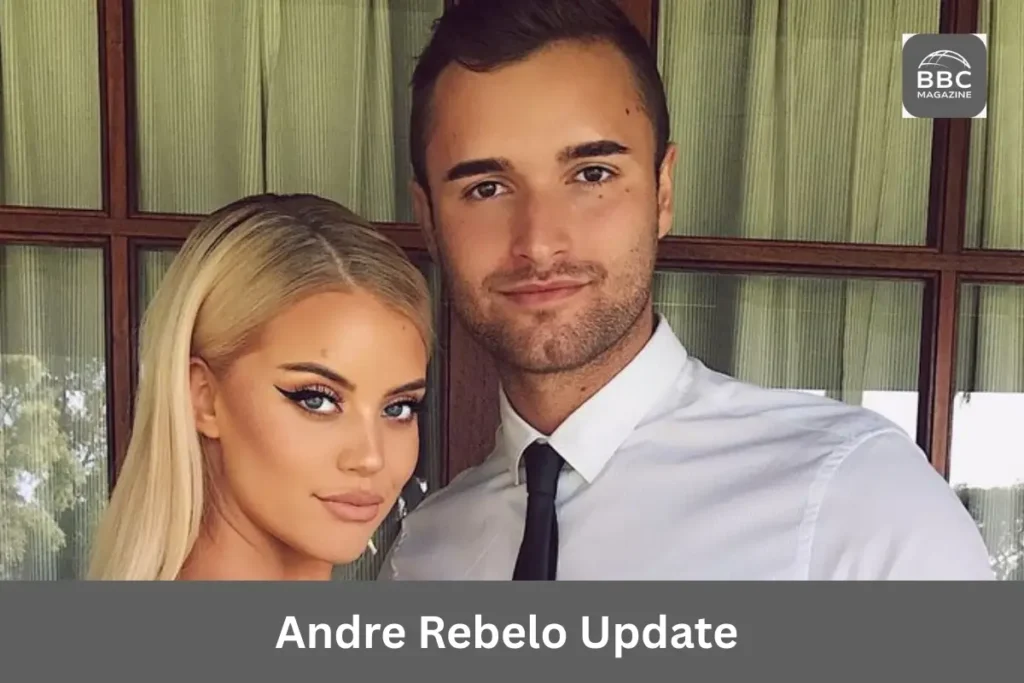
After more than two years of investigation, Andre Rebelo was arrested and charged with murder in November 2022. He was taken into custody and remained there from that point onward.
The prosecution alleged the killing was planned, financially motivated and followed by deliberate attempts to disguise the death as natural so that insurance money could be obtained.
The length of time between Colleen Rebelo’s death and the laying of charges reflected the complexity of the case and the absence of direct forensic evidence.
The Supreme Court Trial
The case proceeded to an eight-week trial in the WA Supreme Court. The prosecution relied largely on circumstantial evidence, arguing that a lack of forensic certainty did not prevent a finding of guilt.
The State alleged that Rebelo took his mother by surprise, used personal violence to kill her and staged the scene in the shower to make it appear she had died of natural causes. Prosecutors argued this was the only reasonable inference available on the evidence.
Medical evidence was presented to explain that while a cause of death could not be identified, asphyxiation could not be ruled out. The prosecution argued the absence of a cause did not negate the surrounding evidence pointing to murder.
Rebelo gave evidence in his own defence. He denied killing his mother but admitted forging documents. He suggested she may have died naturally or taken her own life and said panic influenced his actions with insurers. The jury rejected his account.
Verdict and Sentencing
In December 2024, Andre Rebelo was found guilty of murder.
On 1 April, his 29th birthday, he was sentenced to life imprisonment with a minimum non-parole period of 25 years. The sentence was backdated to November 2022.
Justice Bruno Fiannaca described the offence as premeditated and said Rebelo stripped his mother of dignity by staging her death. The judge found Rebelo prioritised a fabricated lifestyle over family bonds and described the crime as a fundamental betrayal of trust.
The court also noted the lasting impact on Rebelo’s child, who will grow into adulthood knowing his father only through prison visits.
Family Reaction and Aftermath
Outside court, Rebelo’s father, Antonio Rebelo, said he continued to support his son and expressed uncertainty about what occurred inside the Bicton home on the day Colleen Rebelo died. He described the outcome as devastating for all families involved.
The case has left lasting effects on the Rebelo family, extending across generations and reshaping relationships permanently.
The Appeal Process
Rebelo has indicated his intention to appeal his conviction and has been granted an extension by the WA Supreme Court to lodge appeal documents.
His proposed grounds include the circumstantial nature of the evidence, the absence of a determined cause of death and an argument involving the home’s hot water system. That theory relies on evidence that the system had around 40 minutes of hot water capacity, suggesting someone must have turned on the shower later in the day. Rebelo argues there is no evidence he returned to the house after leaving in the late morning.
The Court of Appeal will not rehear the trial or reassess factual findings. Instead, it will consider whether the verdict was legally open on the evidence presented.
Conclusion
The Andre Rebelo case demonstrates how a death initially treated as unexplained can later become the subject of a major criminal prosecution. Without a definitive forensic cause of death, police relied on financial records, digital evidence, document analysis and behaviour patterns to construct a case that persuaded a jury beyond reasonable doubt.
It is a case defined not by a single moment, but by a chain of actions that, when viewed together, revealed intent, planning and deception. The outcome has reshaped legal discussion around circumstantial evidence and stands as one of Western Australia’s most significant murder convictions of recent years.
FAQs
Who is Andre Rebelo?
Andre Rebelo is a Perth man convicted of murdering his mother, Colleen Rebelo, in 2020. He was sentenced to life imprisonment with a minimum non-parole period of 25 years.
How did Colleen Rebelo die?
Colleen Rebelo was found dead in the shower of her Bicton home in May 2020. A cause of death was not determined following a post-mortem examination.
Why did police investigate Andre Rebelo?
Police began investigating after concerns were raised by an insurance company about life insurance claims Andre Rebelo made shortly after his mother’s death.
What role did life insurance play in the case?
Andre Rebelo had taken out three life insurance policies in his mother’s name shortly before her death and named himself as the sole beneficiary.
Was there forensic evidence proving murder?
There was no definitive forensic cause of death. The prosecution case relied on circumstantial evidence, financial motive, digital records and conduct after the death.
What sentence did Andre Rebelo receive?
He was sentenced to life imprisonment with a minimum of 25 years before becoming eligible for parole, backdated to November 2022.
Is Andre Rebelo appealing his conviction?
Yes. Andre Rebelo has indicated his intention to appeal, challenging the circumstantial evidence and aspects of the timeline surrounding his mother’s death.
What happens next in the legal process?
The Western Australian Court of Appeal will consider whether the jury’s verdict was legally open on the evidence presented at trial.