



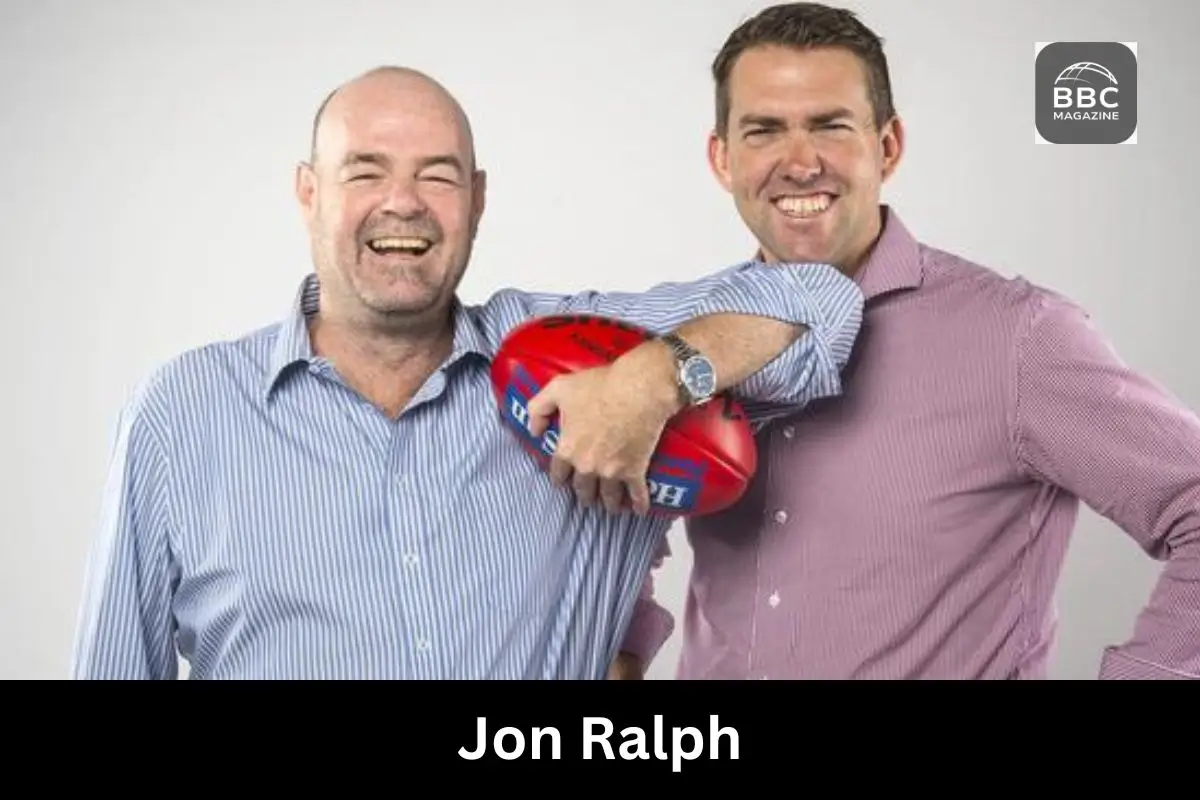





Robert ‘Crash’ Craddock is regarded as one of Queensland’s most established and respected authorities on sport, a standing built over decades of consistent reporting, commentary and analysis. In an industry that has undergone rapid change, Craddock’s career reflects continuity rather than reinvention, grounded in long-term engagement with Australian sport and an approach that prioritises context, experience and clarity.
As a senior sports journalist and columnist for The Courier-Mail, a contributor to CODE Sports, and a familiar voice on Fox Cricket, Craddock occupies a rare position within Australian media. He operates across print, digital and broadcast platforms while maintaining a professional identity shaped by traditional journalistic values rather than personal branding or self-promotion.
Australian Sports Journalism and the Era Craddock Emerged From
To understand Robert Craddock’s significance, it is necessary to consider the environment in which his career developed. Australian sports journalism has long held a central place in the nation’s media culture, particularly in states such as Queensland where sport forms a core part of public life.
For much of the late twentieth and early twenty-first century, newspapers remained the primary source of detailed sports coverage. Senior journalists were expected not only to report results but to interpret events, explain administrative decisions and provide insight into the personalities shaping Australian sport. It was within this environment that Craddock built his reputation.
His career reflects a period when credibility was established over time, through repeated exposure to major sporting events and sustained engagement with the same codes, teams and administrators. This background helps explain why his commentary continues to carry weight in contemporary discussions.
Career Foundations and Long-Term Professional Focus
While exact details about Robert Craddock’s early career entry are not publicly documented, Australian media profiles consistently describe him as a long-serving and senior journalist. His extended association with The Courier-Mail indicates a professional path marked by stability and editorial trust.
Rather than moving frequently between organisations or roles, Craddock’s career demonstrates continuity within mainstream Australian media. This consistency has allowed him to develop institutional knowledge of Australian sport, particularly cricket, which remains central to his work.
Over time, his reporting expanded from match coverage to include broader commentary on governance, selection decisions and the shifting priorities of professional sport in Australia.
Role at The Courier-Mail and Queensland Sports Coverage
The Courier-Mail has played a central role in Robert Craddock’s professional identity. As one of Queensland’s leading newspapers, it serves an audience with strong interest in both local and national sport. Craddock’s long-standing presence within its sports pages has made him a familiar voice to readers across the state.
As a senior sports journalist and columnist, his work has spanned reporting, analysis and opinion. During major cricket series, his writing often contributes to wider public debate, particularly around team performance and selection issues involving Queensland and Australian players.
His role at the paper reflects the traditional function of senior sports writers: to combine factual reporting with informed interpretation, shaped by years of exposure to the sport and its key figures.
Cricket Journalism as a Defining Focus
Cricket has remained the defining focus of Robert Craddock’s career. His reporting has followed Australian cricket across multiple formats and eras, from Test cricket to limited-overs competitions, and through periods of both success and controversy.
Craddock’s cricket writing often reflects an understanding of the game’s historical context. Rather than treating each series or selection decision in isolation, his analysis frequently situates current events within longer patterns in Australian cricket.
This approach has made his work particularly relevant during periods of transition, when public interest extends beyond individual matches to broader questions about the direction of the sport.
Reporting During Change and Controversy
Australian cricket has experienced significant scrutiny over the past decades, including debates around player conduct, governance structures and performance standards. Senior journalists such as Craddock have played a role in shaping how these issues are presented to the public.
His reporting during such periods reflects a balance between critique and context. Rather than focusing solely on immediate reaction, his commentary often draws on precedent and institutional memory, providing audiences with a broader understanding of why issues matter and how they fit into the sport’s history.
This role underscores the importance of experienced voices within sports journalism, particularly when public discussion becomes polarised.
Expansion Into Digital Media With CODE Sports
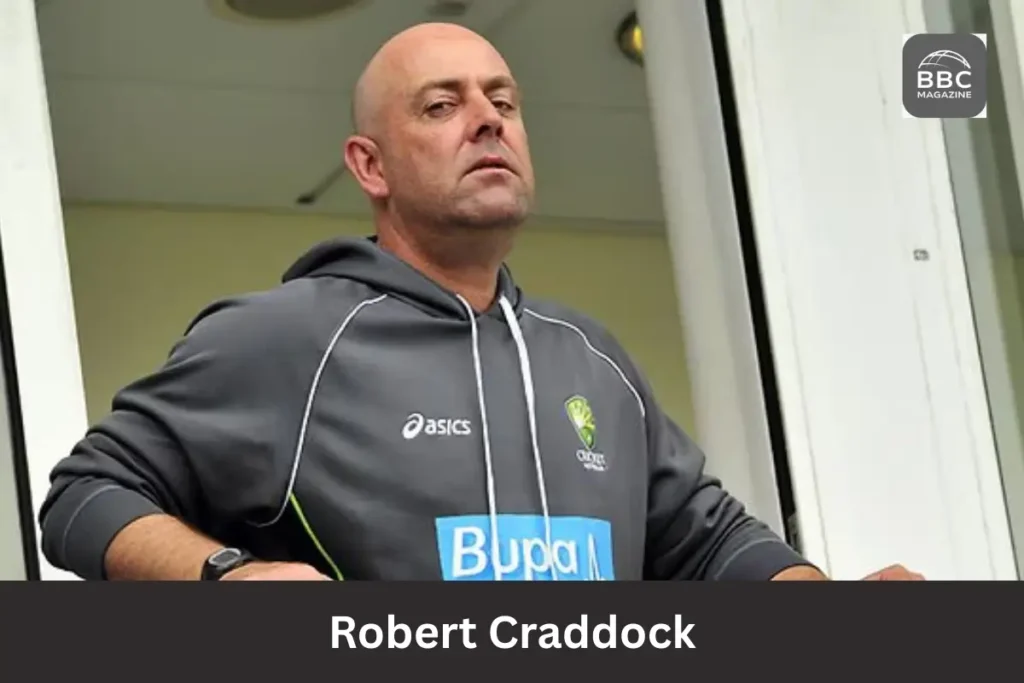
The rise of digital subscription platforms has transformed Australian sports media, and Robert Craddock’s involvement with CODE Sports illustrates his adaptation to this shift. CODE Sports positions itself as a home for in-depth analysis and senior commentary, a model that aligns closely with Craddock’s established style.
Through CODE Sports, his work reaches a national audience beyond Queensland. The platform allows for longer-form analysis and opinion, maintaining space for experienced journalists in an industry increasingly shaped by rapid news cycles.
Craddock’s continued relevance within this environment reflects the value placed on expertise and continuity, even as media consumption habits change.
Television Presence and Fox Cricket
In addition to print and digital journalism, Robert Craddock has established a visible presence on Fox Cricket. His television role centres on panel discussion and analysis rather than live commentary, allowing him to draw directly on his reporting background.
On Fox Cricket, Craddock contributes perspective on team decisions, player form and broader trends within the game. His on-air presence reinforces his standing as a senior commentator whose views are informed by decades of observation rather than immediate reaction.
This cross-platform presence reflects the modern expectations placed on senior journalists, who are often required to move between written and broadcast formats while maintaining professional credibility.
Commentary Style and Professional Approach
Craddock’s commentary style is characterised by restraint and focus on substance. Rather than relying on sensational language, his work prioritises explanation and context, often drawing connections between current events and past developments.
This approach has contributed to his reputation as a journalist whose analysis carries authority. In an environment increasingly shaped by opinion-driven content, such consistency has helped maintain trust among readers and viewers.
Reputation Among Peers and Audiences
Within Australian sports media, Robert Craddock is widely regarded as an experienced and reliable figure. His reporting is frequently referenced in discussions around cricket, particularly during major series or periods of controversy.
The nickname “Crash,” commonly used in professional contexts, has become a familiar identifier rather than a cultivated persona. It reflects recognition built over time rather than deliberate branding.
His reputation rests on longevity, sustained engagement and the ability to adapt without abandoning core journalistic principles.
Public Profile and Privacy Boundaries
Despite his media presence, Robert Craddock maintains a low personal public profile. Australian media coverage focuses almost entirely on his professional work, with no verified information published about his early life, education or family background.
This absence reflects a conscious separation between professional identity and private life. In an era where many media figures share personal details publicly, Craddock’s approach aligns with traditional journalistic norms.
Net Worth and Financial Transparency
Robert Craddock’s net worth is not publicly disclosed. No verified Australian sources publish details about his earnings, assets or financial standing.
While his senior roles across major media platforms indicate a successful career, there are no confirmed figures available. Any financial estimates circulating online remain speculative and unsupported by credible reporting.
Awards and Formal Recognition
There are no publicly documented journalism awards or formal honours associated with Robert Craddock in widely available Australian sources. His standing within the industry appears to be based on professional longevity and influence rather than public recognition through awards.
The Changing Media Landscape and Craddock’s Place Within It
Australian sports journalism has undergone significant transformation, from the dominance of print newspapers to the rise of digital platforms and subscription-based models. Robert Craddock’s career reflects an ability to remain relevant throughout these changes.
Rather than repositioning himself as a media personality, he has continued to operate as a journalist, adapting to new formats while maintaining a consistent approach. His ongoing involvement with The Courier-Mail, CODE Sports and Fox Cricket demonstrates this balance.
Legacy and Continuing Influence
Robert ‘Crash’ Craddock’s influence lies less in individual headlines and more in sustained contribution. His work has shaped public understanding of Australian sport over many years, particularly cricket, through reporting that values experience and perspective.
As newer voices enter the industry, his career serves as a reference point for how authority can be built through consistency rather than constant reinvention.
Conclusion
Robert ‘Crash’ Craddock remains a significant figure in Australian sports journalism through experience, credibility and professional focus. As a senior journalist, columnist and broadcaster, his work continues to inform and contextualise Australian sport for readers and viewers.
While much of his personal life remains private, his professional record is well established. In a media environment defined by rapid change, Craddock’s career stands as an example of how relevance can be sustained through knowledge, restraint and long-term engagement with the sport itself.
FAQs
Who is Robert ‘Crash’ Craddock?
Robert ‘Crash’ Craddock is an Australian senior sports journalist and columnist. He is best known for his work with The Courier-Mail, contributions to CODE Sports, and appearances as a commentator on Fox Cricket.
What is Robert Craddock known for?
He is widely recognised for his long-standing coverage of Australian sport, particularly cricket, where his analysis and commentary draw on decades of reporting experience.
Where does Robert Craddock work?
Robert Craddock works as a senior sports journalist and columnist for The Courier-Mail and is a contributor to CODE Sports. He also appears on Fox Cricket as a sports commentator.
Does Robert Craddock appear on television?
Yes, Robert Craddock regularly appears on Fox Cricket, where he contributes to panel discussions and provides analysis during major cricket broadcasts.
What sports does Robert Craddock cover?
While he has reported on multiple sporting codes, Robert Craddock is most closely associated with cricket journalism, covering domestic and international Australian cricket.
Is Robert Craddock’s personal life publicly known?
No. Robert Craddock keeps his personal life private, and there is no publicly available information regarding his family, education, or personal background.
What is Robert Craddock’s net worth?
Robert Craddock’s net worth has not been publicly disclosed. No verified Australian sources provide information about his income or financial assets.
Why is Robert Craddock considered influential in sports journalism?
He is considered influential due to his longevity in the industry, consistent reporting across major platforms, and ability to provide context and analysis based on long-term involvement in Australian sport.