
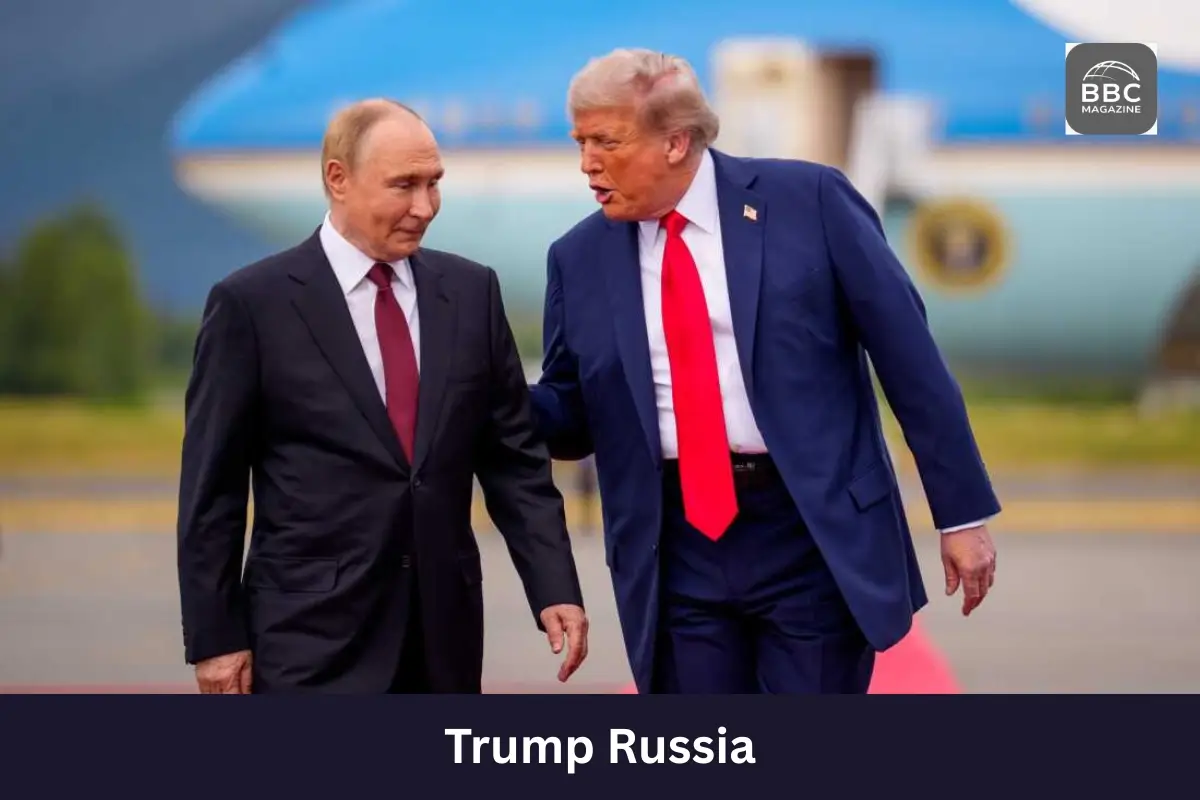
The relationship between Donald Trump and Russia has remained one of the most debated and examined subjects in modern global politics. Stretching from real estate ambitions and financial associations to election controversies, intelligence investigations, and high-level diplomacy, the story has evolved across decades. What began as business interest gradually transformed into political controversy, and by 2025, it has become central to discussions about war, peace, and international power.
This article examines the full arc of Trump’s connections to Russia, the actions of his associates, the investigations that followed, and the implications that continue to shape global affairs.
Early Business Interests and Russian Connections
Donald Trump’s interest in Russia dates back to the late Cold War period. As a real estate developer seeking international expansion, Trump repeatedly explored opportunities in Moscow and other Russian cities. While no Trump-branded project was ultimately constructed in Russia, negotiations and discussions continued intermittently for decades.
A transaction that later drew widespread attention occurred in 2008, when Trump sold a Palm Beach mansion to Russian billionaire Dmitry Rybolovlev for $95 million, having purchased it four years earlier for $41 million. The sharp increase in value raised questions among observers, though no legal wrongdoing was established.
Trump also worked closely with Bayrock Group, a real estate firm founded by Tevfik Arif, a former Soviet official. Bayrock developments involved individuals with extensive ties to Russian and post-Soviet financial circles. Felix Sater, a Russian-born businessman associated with Bayrock, later became a senior adviser to the Trump Organization and played a key role in reviving discussions around a proposed Trump Tower in Moscow during the 2016 campaign.
Another figure, Alex Shnaider, co-financed Trump real estate projects and had family connections to figures linked to Russian organised crime networks. These associations added to scrutiny surrounding Trump’s business ecosystem, even as no criminal findings emerged.
Trump’s Public Attitude Toward Russia and Vladimir Putin
As a political candidate and later as president, Trump adopted an approach toward Russia that departed sharply from traditional US policy. He often spoke favourably of Russian president Vladimir Putin and resisted direct criticism, even as Russia faced international condemnation for actions in Ukraine and Syria.
Trump’s comments drew particular attention when he questioned moral distinctions between the United States and Russia during a televised interview, remarks that unsettled allies and lawmakers alike. His repeated criticism of Nato, especially suggestions that some members might not deserve US protection if they failed to meet defence spending targets, further alarmed European partners bordering Russia.
Although Trump later reaffirmed support for Nato, analysts noted that his rhetoric mirrored long-standing Russian objectives to weaken alliance unity.
Election Interference and the 2016 Campaign
Intelligence assessments concluded that Russia interfered in the 2016 US presidential election through cyber operations and coordinated information campaigns. These efforts involved hacking political organisations, stealing internal communications, and releasing them through third-party platforms.
The central question that followed was whether Trump or his campaign coordinated with Russia in these activities. This distinction became critical, as interaction alone does not amount to conspiracy under US law.
Campaign and Transition Contacts With Russian Officials
Several individuals associated with Trump’s campaign and transition period held interactions with Russian officials or intermediaries.
Michael Flynn, Trump’s first national security adviser, spoke with Russian ambassador Sergey Kislyak during the transition, including discussions related to sanctions. Flynn later admitted to misleading investigators and resigned early in the administration. His previous appearances on Russia Today and undisclosed foreign payments raised further concerns about judgement and security awareness.
Jeff Sessions, a senator during the campaign and later attorney-general, met with Kislyak in his legislative capacity. Controversy surrounding his testimony during confirmation hearings led to his recusal from oversight of related investigations.
Jared Kushner, Trump’s son-in-law and senior adviser, met Kislyak during the transition and later held discussions with Sergey Gorkov, the head of a Russian state-owned development bank under sanctions. Kushner later amended security clearance paperwork after omitting several foreign contacts.
The Trump Tower Meeting
In June 2016, Donald Trump Jr. attended a meeting at Trump Tower after being told Russian-linked individuals possessed damaging information about Hillary Clinton. The meeting produced no meaningful outcome but became one of the most closely examined episodes of the campaign.
Investigators concluded that while the meeting reflected poor judgement, it did not meet the legal threshold for prosecution. Trump Jr. had previously remarked that Russian money formed a significant share of the Trump Organization’s assets, a statement frequently cited in discussions of foreign financial exposure.
Paul Manafort and Pro-Russian Political Work
Paul Manafort joined Trump’s campaign after years of consulting for pro-Russian political figures in Ukraine. He received substantial payments for this work and later faced criminal charges related to tax and bank fraud.
Manafort was convicted on these charges, which were unrelated to election interference. Investigators confirmed he shared internal campaign polling data with a Russian-linked associate, a development that raised serious concerns but did not lead to conspiracy charges.
Other Advisers and Intermediaries
George Papadopoulos, a foreign policy adviser, learned early in the campaign that Russian sources claimed to possess emails harmful to Hillary Clinton. He later pleaded guilty to lying to investigators about his contacts.
Carter Page travelled to Moscow during the campaign and was later subjected to surveillance warrants that were criticised for procedural flaws. Page was never charged.
Roger Stone, a long-time Trump associate, communicated with intermediaries linked to WikiLeaks during the campaign. He was later convicted of lying to Congress and obstruction of justice, though investigators did not establish direct coordination with Russian intelligence.
JD Gordon, a national security adviser to the campaign, met with Ambassador Kislyak at the Republican National Convention and advocated changes to the party platform that softened language on Ukraine. Gordon later stated the changes were approved by Trump.
Michael Cohen, Felix Sater, and Moscow Negotiations
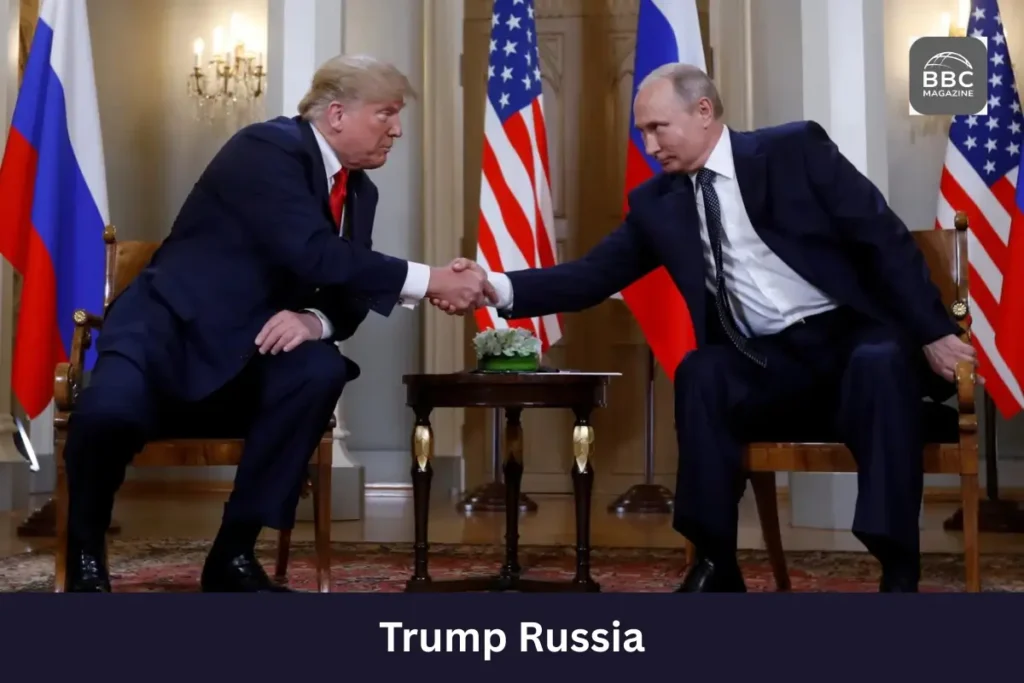
During the campaign, Trump’s personal lawyer Michael Cohen pursued discussions around a Trump Tower Moscow project with Felix Sater. Emails revealed Sater claiming he could enlist Russian officials to support the project and assist Trump politically.
In early 2017, Cohen participated in discussions involving Ukraine-related proposals that included sanctions relief and territorial arrangements. These efforts were examined but never implemented.
Rex Tillerson and Energy Links to Russia
Rex Tillerson, Trump’s first secretary of state, spent decades overseeing energy projects in Russia while leading ExxonMobil. He maintained a working relationship with Russian leadership and was awarded a Russian state honour in 2013. His appointment raised questions about how business experience shaped early diplomatic engagement with Moscow.
Wilbur Ross and Russian-Linked Banking
Wilbur Ross, Trump’s commerce secretary, held senior roles at the Bank of Cyprus, an institution with extensive Russian investment. Some shareholders maintained close relationships with Kremlin-linked figures. Ross disclosed his interests but faced scrutiny over potential conflicts.
The Oval Office Intelligence Disclosure
In May 2017, Trump met Russian foreign minister Sergei Lavrov and ambassador Sergey Kislyak in the Oval Office. During the meeting, Trump shared sensitive intelligence related to terrorist threats. US media was excluded, while Russian state media photographers were present.
The incident triggered concern within intelligence agencies and among allies, highlighting questions about judgement and information security.
The Mueller Investigation
The Special Counsel investigation examined Russian interference, campaign contacts, and possible obstruction. It documented extensive interaction between campaign figures and Russian-linked individuals while concluding that criminal conspiracy was not established.
Several individuals were convicted of financial crimes, lying, or obstruction. None were charged with coordinating election interference.
Trump, Russia, and the Ukraine War
By 2025, Trump’s engagement with Russia re-emerged in the context of efforts to end the war in Ukraine. Trump positioned himself as an intermediary in talks involving Ukrainian president Volodymyr Zelensky and Russian president Vladimir Putin.
Zelensky confirmed discussions involving security guarantees, including the potential deployment of US troops. Russia simultaneously escalated military signalling, deploying nuclear-capable missile systems to Belarus and issuing claims of attacks on Putin’s residence, which Ukraine denied.
Trump publicly criticised actions that risked undermining negotiations, expressing frustration at developments that threatened diplomatic progress.
Conclusion
The Trump–Russia story reflects a convergence of business ambition, political judgement, and global power struggles. While extensive contacts and controversial decisions shaped public debate, investigations did not establish criminal coordination between Trump’s campaign and the Russian government.
By 2025, the same relationship that once fuelled controversy became central to diplomatic efforts with global consequences. The enduring significance of Trump and Russia lies in how leadership choices, foreign influence, and democratic systems intersected under unprecedented scrutiny.
FAQs
What is Trump’s connection to Russia?
Donald Trump’s connection to Russia involves business interests, campaign-era contacts, and diplomatic engagement. Investigations examined these links but did not establish criminal coordination with the Russian government
Has Donald Trump ever been to Russia?
Donald Trump has travelled to Russia on multiple occasions, primarily for business discussions and events, including the 2013 Miss Universe pageant held in Moscow.
Who is buying oil from Russia?
Russia continues to sell oil mainly to countries such as China and India, with additional purchases by nations in Asia, the Middle East, and parts of Africa following Western sanctions.
Does the USA get along with Russia?
Relations between the United States and Russia are generally tense and adversarial, marked by sanctions, diplomatic disputes, and opposing positions on global conflicts such as Ukraine.
Did Trump build a building in Russia?
No Trump-branded building was ever constructed in Russia, although discussions and proposals for projects such as Trump Tower Moscow were explored but never completed.
Is Donald Trump’s family Russian?
Donald Trump and his immediate family are not Russian. His ancestry is primarily German and Scottish, with no known Russian family lineage.
Who is Russia’s biggest friend?
Russia’s closest strategic partner is widely considered to be China, with strong cooperation in trade, energy, and military coordination, despite some underlying rivalry.
Who is more powerful, Russia or the USA?
The United States is generally considered more powerful overall due to its larger economy, global military reach, and alliances, while Russia retains significant influence through its military and nuclear capabilities.