





Australia’s debate on Indigenous affairs is one of the most emotionally charged and politically constrained areas of public discussion. It is shaped by history, moral responsibility and a genuine desire to address persistent disadvantages. Yet it is also marked by an increasing discomfort with disagreement. As governments introduce new frameworks around treaties, truth-telling and Closing the Gap, fundamental questions remain unresolved about agency, responsibility, and what genuine progress looks like.
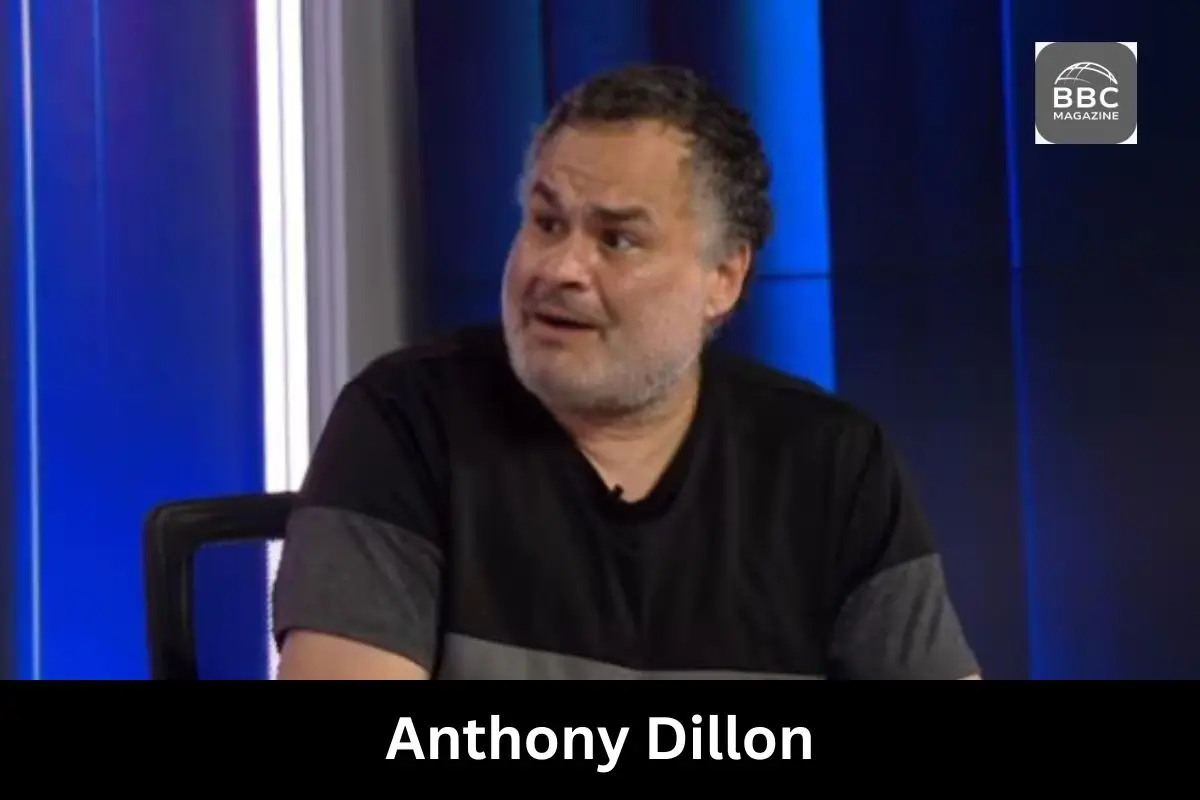
Anthony Dillon has become a prominent and often controversial figure within this debate. As an academic and commentator on Indigenous affairs, identifying as both Aboriginal and Australian, he has argued that the dominant ideological framing of Indigenous Australians as perpetual victims of history and “White Australia” deserves serious challenge. His work does not deny the past, but it questions whether current narratives are helping or hindering Indigenous wellbeing in the present.
Academic Foundations and Professional Standing
Dillon’s public commentary is grounded in formal academic training rather than purely ideological positioning. He holds a doctorate in psychology and has been associated with Australian university research environments focused on applied psychology, Indigenous wellbeing and education. His work has engaged with how beliefs, expectations and social narratives influence behaviour, resilience and long-term outcomes.
This academic grounding places Dillon’s arguments within a broader evidence-based tradition that examines the social and psychological determinants of health. His interest in Indigenous wellbeing is not limited to policy abstraction; it reflects sustained engagement with the lived realities of disadvantage and the factors that either support or undermine recovery and stability.
By situating his views within research on mental health, motivation and social participation, Dillon challenges the idea that public debates about Indigenous affairs must be conducted solely in moral or symbolic terms.
Identity, Perspective and the Limits of Representation
Dillon’s identification as Aboriginal and Australian places him in a complex position within public debate. He speaks for himself as an Indigenous Australian, acknowledging diverse experiences and beliefs within Indigenous communities. Instead, he has consistently rejected the assumption that Indigenous identity implies a single political or ideological position.
This stance directly challenges contemporary tendencies to treat Indigenous people as a homogenous political category. Dillon argues that this approach flattens diversity and discourages dissent, particularly from Indigenous voices that question dominant narratives. In doing so, we risk replacing one form of marginalisation with another.
The Victimhood Narrative and Psychological Consequences
At the core of Dillon’s work is a critique of what he describes as dogmatically held victimhood beliefs. Framing Indigenous Australians primarily as victims can have unintended psychological consequences.
From the perspective of Indigenous health and wellbeing, Dillon contends that repeated reinforcement for victimhood can weaken personal agency, reduce self-efficacy, and diminish hope. Over time, this can contribute to cycles of disengagement that mirror the effects of substance abuse. His comparison to drugs and alcohol is intended to highlight impact rather than provoke outrage. Ideas, he argues, shape behaviour, expectations and identity.
This position places psychological well-being at the centre of Indigenous policy debate rather than treating it as a secondary outcome of structural reform.
The title of this section is “Closing the Gap and the Persistence of Disadvantage.”
The Closing the Gap framework remains one of Australia’s most significant national policy commitments, yet progress across key indicators has been inconsistent. Dillon has contended that recurrent resets and reaffirmed commitments have inadequately tackled the fundamental conditions necessary for transformation.
In his view, Closing the Gap cannot succeed if it prioritises symbolic recognition over access to opportunity. Education, employment, housing, healthcare and community safety remain central to improving outcomes, regardless of cultural background. Dillon maintains that Indigenous Australians should not be treated as fundamentally different in their aspirations or capacities.
By insisting on opportunity as the foundation of reform, he challenges approaches that frame disadvantage primarily as an identity-based issue rather than a social and economic one.
Commonality Before Difference
A recurring theme in Dillon’s commentary is the importance of recognising commonalities between Indigenous and non-Indigenous Australians. He posits that acknowledging shared human needs and social expectations is crucial before emphasising cultural differences.
When difference becomes the starting point, Dillon suggests, it can justify lowered expectations and institutional hesitancy. Unconsciously, schools, employers, and service providers may lower their expectations, resulting in poorer outcomes that they attribute to culture instead of policy failure.
Culture, in his view, should enrich participation rather than excuse exclusion or dysfunction.
Addressing Violence, Substance Abuse and Social breakdowns
Dillon has repeatedly called for an open discussion of issues that are often avoided in mainstream debates, including family violence, communal violence, and substance abuse within some Indigenous communities. He argues that silence, motivated by fear of offence or political backlash, leaves harm unaddressed.
These issues, Dillon insists, are not cultural characteristics. They are social problems that demand the same level of seriousness and intervention applied elsewhere in Australian society. Avoiding them does not protect Indigenous people; it protects political comfort.
This insistence on confronting difficult realities has placed Dillon at odds with those who believe such discussions risk reinforcing negative stereotypes. Dillon counters that refusing to name problems ensures they persist.
Universities, Ideology and Intellectual Conformity
Another significant strand of Dillon’s work focuses on universities and public institutions. He has argued that certain ideological positions on Indigenous affairs have become entrenched in academic settings, discouraging critical enquiry and debate.
According to Dillon, universities cannot claim to improve Indigenous outcomes while simultaneously restricting the range of acceptable viewpoints. He frames this not as an attack on Indigenous studies or recognition, but as a defence of academic freedom and intellectual honesty.
This critique has resonated beyond universities, feeding into broader concerns about ideological conformity in public policy and education.
Treaty, Truth-Telling and Implementation Challenges
Recent developments in treaty and truth-telling processes, particularly in Victoria, have added urgency to debates Dillon has been raising for years. With reports tabled, apologies delivered and frameworks established, attention is shifting from intent to implementation.
Dillon has argued that we should ultimately judge treaties and truth-telling by their outcomes, not by their symbolism. Recognition, he contends, should be a means to social repair, not a substitute for it. Without clear links to improved education, employment, safety and wellness, symbolic milestones risk becoming political endpoints rather than starting points.
As treaty discussions move forward, the tension between moral recognition and practical reform is likely to intensify.
Media Engagement and Public Discourse
Public debate frequently seeks Dillon’s views because they challenge established narratives and remain rooted in logic and research. He asserts that his commentary garners attention due to its freedom from political correctness and victimhood assumptions.
He has expressed openness to engagement with journalists, researchers, students, and investigators interested in Indigenous health and well-being, race relations, housing, employment, and education. This openness reflects his broader belief that progress depends on discussion rather than enforced consensus.
The Broader Question Australia Must Answer
At its core, the debate surrounding Anthony Dillon’s work reflects a larger national dilemma. Can Australia acknowledge historical injustice without defining Indigenous identity by it? Can a policy recognise structural barriers while still affirming agency and responsibility? And can difficult conversations be held without fear or moral accusation?
Dillon does not claim to offer a simple solution. Instead, his work insists that ideas matter, expectations matter, and silence has consequences. Whether one agrees with his conclusions or not, his contribution forces Australia to confront the possibility that well-intentioned narratives may be limiting progress.
As Closing the Gap frameworks evolve and treaty processes advance, these questions will become harder to avoid. Australia’s challenge is not simply to choose the right symbols, but to build conditions in which Indigenous Australians can thrive as equal participants in the nation’s social and economic life.
Conclusion
The debate surrounding Indigenous affairs in Australia remains unresolved because it sits at the intersection of history, morality, policy and lived experience. Anthony Dillon’s contribution to this debate is not defined by denial of the past, but by a refusal to allow history to become the sole explanation for the present or the only guide for the future. His work challenges Australia to consider whether well-intentioned narratives are delivering the outcomes they promise.
By placing agency, opportunity and psychological wellbeing at the centre of discussion, Dillon questions approaches that prioritise symbolism over substance. He argues that meaningful progress depends on access to education, employment, housing and healthcare, and on the willingness to hold honest conversations about social breakdown, violence and substance abuse without fear or ideological constraint.
Whether one agrees with his conclusions or not, Dillon’s arguments highlight a central truth: policies cannot succeed if they ignore human behaviour, expectations and responsibility. Closing the gap will require more than recognition and intention. It will require courage, intellectual openness and a commitment to outcomes over comfort. Australia’s challenge is not only to acknowledge injustice but also to create conditions in which Indigenous Australians can participate fully, confidently and equally in the nation’s social and economic life.
FAQs
Who is Anthony Dillon?
Anthony Dillon is an academic and public commentator on Indigenous affairs in Australia. He identifies as both Aboriginal and Australian and has written extensively on Indigenous wellbeing, education and public policy.
What is Anthony Dillon’s academic background?
He holds a doctorate in psychology and has been associated with Australian university research environments focused on applied psychology, Indigenous wellbeing and education.
What is Anthony Dillon’s main argument on Indigenous affairs?
He argues that portraying Indigenous Australians primarily as victims of history and “White Australia” limits agency and may undermine wellbeing, and that policy should focus on opportunity and shared social foundations.
How does he view the “Closing the Gap” framework?
Dillon supports Closing the Gap in principle but believes progress depends on access to education, employment, housing and healthcare rather than symbolism or identity-based policies alone.
Why does Anthony Dillon criticise victimhood narratives?
He believes dogmatically held victimhood beliefs can weaken resilience, reduce personal responsibility and harm psychological wellbeing, producing effects comparable to social harms such as substance abuse.
What issues does he believe need more open discussion?
Dillon calls for honest dialogue about family and communal violence, substance abuse, school disengagement and social breakdowns, arguing that silence prolongs harm.
What is his position on culture and difference?
He argues that commonalities between Indigenous and non-Indigenous Australians should be recognised first, with cultural differences acknowledged without lowering expectations or excusing poor outcomes.
Why is Anthony Dillon’s commentary often controversial?
His views challenge dominant narratives in Indigenous policy and academia, particularly around victimhood, ideology and political correctness, making his work both influential and contested.