




The prosecution of Joel Davis has emerged as one of the most closely examined legal cases involving far-right extremism in Australia in recent years. What began as a police-authorised rally outside NSW Parliament House quickly escalated into a Commonwealth criminal matter involving encrypted online platforms, national security investigators and repeated refusals of bail. At its centre is an alleged menacing message directed at independent federal MP Allegra Spender, raising complex questions about the boundary between political speech and intimidation in the digital age.
While Davis has not been convicted and retains the presumption of innocence, the decisions made by courts so far have underscored the seriousness with which alleged online harassment connected to extremist movements is now being treated. The case provides a detailed look at how Australian law is being applied when ideology, technology and the safety of elected representatives intersect.
The rise of attention on Joel Davis
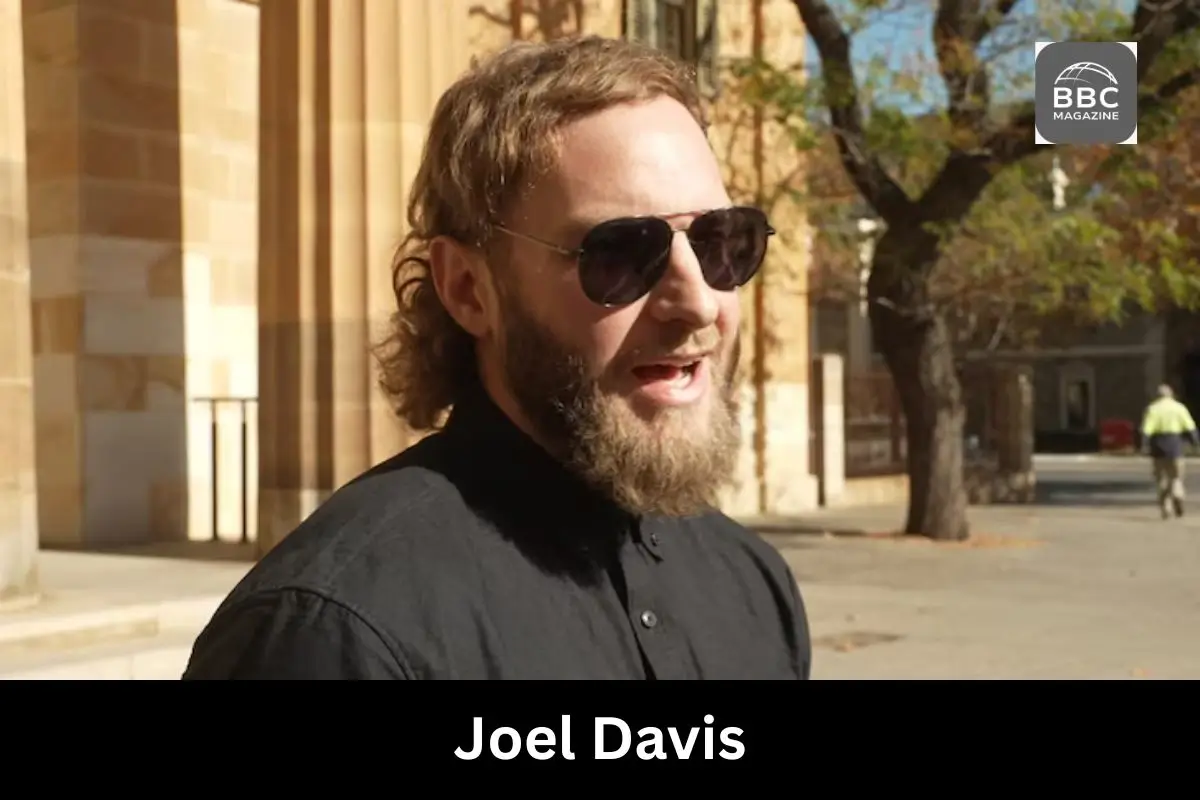
Joel Davis, a 30-year-old Australian man, was not widely known outside extremist monitoring circles before late 2025. His name entered national headlines after police linked him to alleged online conduct following a neo-Nazi rally in Sydney. Davis is identified by police and prosecutors as a member of the National Socialist Network, an organisation that has been repeatedly described in court proceedings as a right-wing extremist group grounded in national socialist ideology.
Authorities have alleged that the National Socialist Network promotes white-supremacist beliefs and advocates for a future white separatist ethno-state. While the group operates on the fringes of Australian society, its coordinated public rallies, use of encrypted communications and interstate organisation have increasingly drawn the attention of law-enforcement agencies and the courts.
The rally outside NSW Parliament House
The events that set the stage for the prosecution occurred on 8 November 2025, when a police-authorised rally was held outside NSW Parliament House. About 60 men, dressed predominantly in black, gathered under the banner of the National Socialist Network. Video footage from the rally shows participants chanting slogans associated with the Hitler Youth and displaying signs rejecting multiculturalism and democratic pluralism.
Speakers at the rally described their vision of a “white and free Australia” and denounced what they characterised as a multicultural state. The imagery, slogans and language used at the rally prompted immediate condemnation from political leaders across the spectrum. For many observers, the event represented a deliberate attempt to normalise extremist ideology in a highly symbolic public space.
Joel Davis is visible in video recordings from the rally wearing black clothing and holding a megaphone, indicating a visible and active role rather than that of a passive attendee. His presence at the rally later became a key contextual factor in how police and the courts assessed subsequent online conduct.
Allegra Spender’s response
Following the rally, Allegra Spender publicly condemned the ideology and symbolism on display. She described the event as deeply disturbing and inconsistent with democratic values. Spender’s criticism was measured but firm, reflecting a broader political consensus that neo-Nazi ideology has no place in Australian public life.
Soon after making her comments, Spender became the alleged target of an online message circulated within an extremist group chat. According to court material, the message encouraged others to direct abusive and hostile communications at her. The wording of that message, including the phrase “rhetorical rape”, became central to the legal proceedings that followed.
Spender later said she was shocked by the language used but made clear she was not easily intimidated. She referred the matter to authorities and declined to comment further publicly once the investigation was underway, allowing the legal process to take its course.
How the AFP investigation began
After the matter was referred, the Australian Federal Police launched an investigation. Importantly, the case was taken up by the AFP’s national security investigations team rather than general policing units. This decision reflected concerns that the alleged conduct was not an isolated instance of online abuse but part of a broader extremist network using encrypted platforms to coordinate behaviour.
The use of encrypted messaging applications has been a recurring feature in extremist investigations. While encryption itself is lawful, courts have recognised that its use can be relevant when assessing intent and organisation, particularly where communications appear designed to mobilise or encourage collective action beyond public view.
Arrest in Bondi and seizure of devices
On 20 November 2025, AFP officers arrested Joel Davis in Bondi, Sydney. A search warrant was executed at the time of the arrest, and electronic devices were seized for forensic examination. Police later confirmed there was no ongoing risk to the wider community, but emphasised that the safety and security of parliamentarians remained a priority.
Davis was charged with one count of using a carriage service to menace, harass or offend. This Commonwealth offence is frequently misunderstood. It does not require a direct or explicit threat of physical violence. Instead, the law focuses on whether a reasonable person would regard the communication as menacing when its wording, intent and context are considered together. In cases involving extremist ideology, courts have consistently held that context can significantly heighten the seriousness of language used.
Understanding the carriage service offence
The offence of using a carriage service to menace, harass or offend was designed to address serious misconduct carried out through telecommunications and online services. Australian courts have repeatedly emphasised that the test is objective and contextual. A phrase that might appear ambiguous or metaphorical in isolation can take on a very different meaning when used within a group committed to intimidation or hostility.
In the Davis case, prosecutors argue that the alleged message cannot be assessed as abstract political commentary. They say its meaning must be understood in light of the rally, the extremist environment of the group chat and the reactions it attracted from other members. This approach reflects a broader legal trend in Australia, where courts increasingly examine the surrounding circumstances of online speech rather than focusing solely on individual words.
First bail application and refusal
Davis first appeared in court shortly after his arrest in November 2025. Bail was refused at that time. The magistrate found there was an unacceptable risk that Davis could commit a serious offence if released. In reaching that conclusion, the court considered the alleged conduct, the organised extremist context and the potential for further online mobilisation.
The defence raised personal factors, including the imminent birth of Davis’ child, but the court ruled those considerations did not outweigh the risks identified. The decision signalled an early judicial view that the allegations, if proven, were serious enough to justify continued detention.
Second bail application and defence arguments
In December 2025, Davis’ lawyer, Matthew Hopkins, returned to court seeking bail again. He argued that Davis’ circumstances had changed since the initial refusal. The defence told the court that Davis’ son had been born and that continued detention meant he would miss his child’s first Christmas. Hopkins also raised concerns about Davis’ custodial conditions, including periods of solitary confinement, describing them as harsh.
The defence further challenged the strength of the prosecution case. Hopkins argued that the phrase “rhetorical rape” appears in academic and political discourse and should not be interpreted as a literal or threatening expression. To support this claim, he tendered a book and an article to the court, suggesting the language was part of heated political debate rather than a call for harm.
The high threshold for a second bail bid
Australian bail law sets a higher benchmark for second or subsequent bail applications. Courts will not revisit bail unless genuinely new and compelling circumstances are shown to alter the original risk assessment. This principle is designed to prevent repeated applications from undermining earlier judicial decisions without substantive change.
In refusing the second application, Magistrate Susan McIntyre emphasised that this high threshold had not been met. While Davis’ personal circumstances had changed, the court found they did not significantly alter the risks identified at the first hearing. The magistrate also noted that custodial hardship, while regrettable, is rarely decisive in bail decisions unless it directly affects fairness or risk.
Judicial assessment of the language used
In her ruling, Magistrate McIntyre addressed the defence argument about the meaning of the phrase “rhetorical rape”. She said the words could not be divorced from their context. The magistrate referred to surrounding material, including reactions from within Davis’ own ideological circle, which suggested the phrase was being used well beyond any academic or theoretical sense.
She concluded that this contextual material did not weaken the prosecution case but instead reinforced its seriousness. The ruling underscored a broader judicial approach that treats extremist settings as highly relevant when assessing the impact and intent of online language.
Davis appeared via video link from the Metropolitan Remand and Reception Centre and remains in custody without bail.
The role of digital evidence
The electronic devices seized during Davis’ arrest are expected to play a central role in the prosecution. In extremist-related cases, digital evidence often extends far beyond a single message. Group chat histories, metadata, reaction messages and patterns of communication can all be used to establish intent, influence and coordination.
Courts have increasingly relied on such evidence to determine whether online language formed part of a broader effort to menace or mobilise harassment. In this context, the alleged message directed at Allegra Spender is likely to be assessed alongside the surrounding digital ecosystem in which it appeared.
South Australian incidents and separate proceedings
Joel Davis has also appeared in media coverage linked to neo-Nazi activity in South Australia. On one occasion, he spoke to journalists outside court in defence of National Socialist Network members arrested after an Australia Day rally in Adelaide. Shortly after those comments, Davis himself was arrested and charged with displaying a Nazi symbol.
These South Australian matters are legally separate from the NSW prosecution involving Allegra Spender. While charges against several other individuals in related South Australian proceedings were later withdrawn, those outcomes do not affect the NSW case. Courts have treated the matters independently, although together they contribute to law-enforcement assessments of the National Socialist Network as an organised extremist group operating across state borders.
Potential penalties and legal consequences
If convicted of the carriage service offence, Davis could face significant penalties, including imprisonment, fines, or both. Sentencing would depend on factors such as intent, context, prior conduct and the court’s assessment of harm. Australian courts have indicated that online harassment linked to extremist movements can warrant custodial sentences, particularly where elected officials are targeted.
The potential consequences highlight the seriousness with which the law treats conduct that undermines democratic institutions, even where no physical violence is alleged.
Broader implications for Australia
The Joel Davis case reflects a broader shift in how Australia addresses far-right extremism and online intimidation. It demonstrates the willingness of authorities to use Commonwealth telecommunications laws to respond to digital conduct that crosses from expression into alleged menace. It also shows courts adopting a cautious approach to bail where extremist ideology and online mobilisation intersect.
More broadly, the case underscores the challenges democracies face in balancing freedom of expression with the need to protect individuals, particularly public officials, from coordinated harassment. As extremist groups increasingly rely on digital platforms to amplify their messages, courts are being asked to interpret laws written for an earlier era in new and complex contexts.
Conclusion
The prosecution of Joel Davis sits at a critical juncture in Australia’s evolving response to extremism and online intimidation. It illustrates how context, ideology and technology can transform language into something the law treats as potentially menacing. While Davis remains charged and not convicted, the repeated refusal of bail reflects a judicial view that alleged conduct of this nature warrants close scrutiny.
As the case proceeds through the NSW criminal court system, its outcome is likely to influence how similar matters are investigated and prosecuted in the future. At its core, the case serves as a reminder that democratic societies continue to grapple with where political expression ends and intimidation begins, particularly in an age where extremist ideas can be rapidly shared and amplified online.
FAQs
Who is Joel Davis?
Joel Davis is a 30-year-old Australian man identified by police as a member of the National Socialist Network. He has been charged over an alleged menacing online message directed at a federal politician and is currently on remand.
What is Joel Davis accused of doing?
Davis is accused of using an online carriage service to send or share a message that encouraged harassment of an elected representative. The allegation relates to language used in an extremist group chat following a neo-Nazi rally in Sydney.
Who was the alleged target of the message?
The alleged message targeted Allegra Spender, the independent federal MP for Wentworth, after she publicly condemned a neo-Nazi rally outside NSW Parliament House.
Why was Joel Davis arrested by the AFP?
The Australian Federal Police arrested Davis after an investigation by its national security team linked him to the alleged message. Police executed a search warrant and seized electronic devices as part of the investigation.
What does “using a carriage service to menace” mean?
It is a Commonwealth offence that applies to serious online or telecommunications conduct. The charge does not require a physical threat but focuses on whether the communication is considered menacing when viewed in context.
Why has Joel Davis been refused bail twice?
Courts found there was an unacceptable risk if Davis were released. A second bail application faced a higher legal threshold, and the magistrate ruled that new arguments raised by the defence did not sufficiently change the original risk assessment.
What role did the National Socialist Network play in the case?
The alleged message followed a rally organised by the National Socialist Network. Prosecutors argue the extremist context of the group is relevant when assessing the meaning and seriousness of the language used online.
Has Joel Davis been convicted?
No. Joel Davis has been charged but not convicted. He remains entitled to the presumption of innocence, and the allegations will be tested as the case proceeds through the NSW criminal courts.