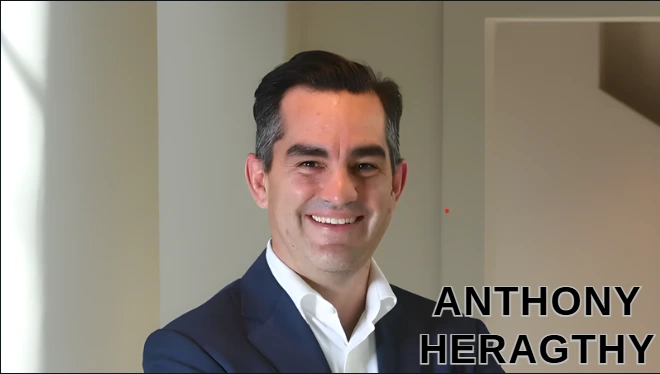









Jon Adgemis emerged in Australia’s hospitality scene during one of the most uncertain periods the industry had faced. As lockdowns reshaped cities and venues sat empty, he moved in the opposite direction to most operators, acquiring pubs and hospitality assets at speed. What followed was a rapid ascent built on private credit, ambitious expansion and complex corporate structures.
By late 2025, that expansion had unravelled into one of the largest personal bankruptcies Australia has seen in nominal terms in decades. His story is not defined by a single failed deal, but by a sustained pattern of borrowing, leverage and interlinked entities that eventually collapsed under their own weight.
Early Life and Family Background
Jon Angelo George Adgemis grew up in Sydney’s eastern suburbs in a family with Greek heritage tracing back to Kastellorizo, a small island that has produced several prominent Australian business families. His upbringing placed him within Sydney’s professional and commercial elite from an early age.
He attended Cranbrook School, one of the city’s most established private boys’ schools. The environment exposed him to influential networks and a culture that encouraged ambition, leadership and commercial confidence. These early connections later intersected with his professional and business life as his career progressed.
Family ties remained central throughout his journey. Properties co-owned with his mother and companies linked to relatives later featured heavily in the financial structure surrounding his business affairs, particularly as lenders and trustees examined asset ownership and funding arrangements.
Foundations in Corporate Finance
Adgemis began his professional career at KPMG, working as a dealmaker within the firm’s corporate advisory environment. His role involved exposure to transactions, restructures and financing arrangements that relied on layered debt and complex structures.
This period shaped his understanding of leverage, funding vehicles and how assets could be used to support growth. It also provided familiarity with private lending arrangements that sat outside traditional bank finance.
In 2017, he left KPMG to pursue his own ventures. The move marked a shift from advisory work to direct exposure, where success and failure would rest on his own decisions rather than client mandates.
Entering Hospitality During the Pandemic
In 2021, Adgemis founded Public Hospitality Group at a time when the hospitality sector was under severe strain. Lockdowns had depressed asset values, and many operators were seeking to exit or refinance. While much of the industry was retreating, PHG expanded.
The group acquired venues across Sydney and Melbourne, including well-known pubs and restaurants such as The Norfolk, Oxford House, Exchange Hotel, Strand Hotel, Camelia Grove Hotel and Guy Grossi’s Puttanesca in Melbourne. Within a short period, PHG became one of the most active buyers in the market.
The strategy was based on the belief that demand would rebound strongly once restrictions eased, and that early acquisition would position the group to benefit from recovery.
Growth Driven by Private Credit
Unlike many hospitality operators who rely on major banks, PHG’s expansion was funded largely through private credit. These arrangements allowed faster access to capital and greater flexibility, but came at the cost of higher interest rates and less conventional security requirements.
Private credit funding often relies on cross-collateralisation, where multiple properties and companies guarantee each other’s debts. This structure can magnify borrowing power, but it also creates systemic risk. When one asset or entity faces stress, the impact spreads rapidly across the group.
As PHG grew, the number of entities under Adgemis’ control expanded into the dozens. Operating companies, property-holding companies and investment vehicles were interlinked, creating a dense web of obligations.
Property Holdings and Extreme Leverage
Two properties came to symbolise the scale of borrowing tied to Adgemis’ affairs.
The first was a site in Hurstville, purchased in 2007 for $3 million. By 2025, the land was estimated to be worth around $4.5 million. Despite its modest value, it supported reported borrowings exceeding $135 million. Mortgage exposure alone was placed at about $15.5 million, with caveats lodged by private lenders totalling more than $100 million.
The second was a home in Rose Bay, purchased in 2018 for $4.45 million and owned jointly with his mother. Its estimated value later rose to around $9.25 million. Against that asset sat secured debts of approximately $53.7 million, largely linked to private credit lending.
These figures illustrated how properties were used not as standalone assets, but as anchors within a broader financing system that allowed borrowing far beyond individual valuations.
The Role of Private Credit Funds
Private lenders played a central role in Adgemis’ expansion. Among them, Gemi Investments emerged as one of the most exposed funds, with reported lending running into the hundreds of millions of dollars across Adgemis-linked entities.
The exposure attracted attention within Australia’s financial sector because it highlighted the willingness of private credit providers to advance large sums based on layered guarantees rather than conventional loan-to-value ratios. As the situation deteriorated, caveats were lodged against properties and enforcement action followed.
The collapse also prompted broader scrutiny of private credit practices, particularly in sectors like hospitality where asset values can fluctuate sharply.
Lifestyle and Spending Patterns
As his business profile grew, Adgemis maintained a high-value lifestyle that later came under close examination. Accounts provided to creditors described luxury vehicles including a Mercedes G63, a Range Rover and a Land Rover. He rented a Bondi apartment at a monthly cost of about $60,833, a figure that drew attention once his financial position came under stress.
Credit card spending formed a significant part of his personal finances. Jewellery and artworks were stored in safety deposit boxes, some of which were later accessed by trustees as part of asset recovery processes.
Reports prepared during bankruptcy proceedings described funds moving from corporate entities into personal accounts, which were then used to cover living expenses and repay credit card balances. These movements became a focus of ongoing investigation.
A Web of Companies and Internal Claims
By the time pressure mounted, Adgemis controlled or directed dozens of companies. These included Public Hospitality Group entities, JAGA Securities Pty Ltd, property-holding companies and venue-specific operating vehicles.
As the structure collapsed, more than a dozen of these companies lodged claims against Adgemis personally, totalling $120.8 million. The claims related to alleged insolvent trading, director duty breaches and transactions that could potentially be unwound.
These internal claims were significant because they expanded the scope of recovery efforts beyond external creditors. They also illustrated how closely personal and corporate finances had become intertwined.
Rising Pressure and the ATO

By 2024, the financial position of PHG had deteriorated. Rising interest rates increased servicing costs, and lenders became more cautious. The Australian Taxation Office emerged as a major creditor, with reported liabilities exceeding $150 million.
The ATO opposed attempts to resolve the situation outside bankruptcy, arguing that creditors were being offered minimal returns while substantial spending continued. This opposition proved decisive in pushing the matter towards court.
Attempt to Avoid Bankruptcy
In early 2025, Adgemis proposed a personal insolvency agreement aimed at avoiding bankruptcy. The proposal involved a return to creditors measured in fractions of a cent in the dollar, based on an offer pool of around $3 million against total debts estimated between $1.7 billion and $1.8 billion.
The proposal was rejected following opposition from creditors and regulators. With no agreement in place, the matter proceeded through the Federal Court.
Court Proceedings and Bankruptcy
In October 2025, the Federal Court made a sequestration order, formally declaring Adgemis bankrupt. Pitcher Partners was appointed to administer the estate, with Andrew Yeo overseeing the process.
A detailed report circulated to creditors outlined the scale of the collapse. It described liabilities of up to $1.8 billion, minimal personal cash holdings, and strict restrictions placed on Adgemis’ finances. His passport was surrendered, and he became subject to limits on living expenses.
Luxury vehicles, jewellery and artworks were seized and prepared for sale. Trustees began extensive work tracing funds between companies, personal accounts and third parties.
The scale of the case led Australian media to compare it with the bankruptcy of Alan Bond in the early 1990s, highlighting its significance in nominal dollar terms.
What Happened to the Hospitality Venues
As lenders enforced their rights, several PHG venues were placed into receivership or administration. Receivers were appointed by secured creditors, and some venues continued operating under new management while others were prepared for sale.
The outcomes varied by asset, depending on location, trading performance and the level of secured debt attached. For staff and suppliers, the process created uncertainty, particularly around entitlements and continuity of employment.
Net Worth and Financial Position
By the time bankruptcy was declared, Adgemis’ financial position was deeply negative. Liabilities exceeded assets by well over a billion dollars. Disclosures showed minimal personal cash balances and negligible superannuation.
Any remaining assets fell under trustee control, with recovery efforts continuing through sales, investigations and potential legal action.
Broader Impact on the Industry
The collapse of Adgemis’ empire reverberated beyond one individual. For the hospitality sector, it highlighted the vulnerability of highly leveraged expansion strategies. For private credit, it raised questions about risk assessment, security structures and concentration exposure.
Regulators and insolvency practitioners have since pointed to the case as an example of how personal insolvency agreements, private lending and corporate structures intersect at scale.
Conclusion
Jon Adgemis’ rise and collapse is a story of ambition, opportunity and unchecked leverage. From elite schooling and corporate finance to rapid hospitality expansion and historic bankruptcy, his journey illustrates how complex financial structures can amplify both success and failure.
The final consequences are still unfolding through ongoing recovery actions and investigations. What is already clear is that his case will remain a reference point in Australian discussions about private credit, hospitality investment and insolvency for years to come.
FAQs
Who is Jon Adgemis?
Jon Adgemis is an Australian hospitality entrepreneur who rapidly expanded a pub and restaurant empire during the COVID-19 pandemic before collapsing into one of Australia’s largest personal bankruptcies.
How did Jon Adgemis build his hospitality empire so quickly?
He expanded aggressively through Public Hospitality Group by acquiring venues during lockdowns, using extensive private credit funding instead of traditional bank loans.
What role did private credit play in his collapse?
Private credit enabled fast growth but relied on high interest rates, cross-collateralisation, and layered guarantees, which magnified risk when revenues and asset values came under pressure.
Why was Jon Adgemis declared bankrupt?
His insolvency proposal was rejected by creditors and the ATO, leading the Federal Court to declare him bankrupt in October 2025 due to liabilities nearing $1.8 billion.
What properties were central to his financial structure?
Key assets included a Hurstville site and a Rose Bay home, both used to secure enormous borrowings far exceeding their individual market values.
What was the Australian Taxation Office’s role in the case?
The ATO was a major creditor, reportedly owed more than $150 million, and opposed settlement efforts, pushing the matter toward formal bankruptcy proceedings.
What happened to Public Hospitality Group venues?
Many venues were placed into receivership or administration, with some continuing under new management while others were prepared for sale by secured lenders.
Why is the Jon Adgemis case significant in Australia?
The scale of debt, reliance on private credit, and complex corporate structures have made the case a landmark example in discussions around leverage, insolvency, and hospitality investment risk.