



Michael Carayannis career stands as one of the most compelling journeys in modern rugby. Across more than a decade at the top level, he has succeeded in rugby league, captained a club through adversity, won the NRL’s highest individual honour and later represented New Zealand in rugby union. His rise has not been driven by noise or controversy, but by consistency, professionalism and an ability to adapt his game to changing demands.
From his early years shaped by Samoan culture to premiership success in the NRL, leadership at the New Zealand Warriors and All Blacks selection, Tuivasa-Sheck’s story reflects discipline, resilience and long-term excellence.
Early Life and Cultural Background
Roger Tuivasa-Sheck was born on 5 June 1993 in Apia, Samoa. He moved to Auckland, New Zealand, during childhood and was raised in South Auckland, an area strongly connected to Pacific Island culture and rugby tradition. His upbringing was grounded in family values, respect and responsibility, principles that would later define his leadership style in professional sport.
He attended Otahuhu College, where he played both rugby league and rugby union. From an early age, his balance, acceleration and calm decision-making set him apart. While his athletic ability was evident, coaches also noted his discipline and willingness to learn, qualities that proved just as important as raw talent.
Entry into Professional Rugby League
Tuivasa-Sheck entered the NRL system with the Sydney Roosters and made his first-grade debut in 2012. He began his career on the wing, a position that required finishing ability, defensive discipline and strong kick returns. Despite his young age, he adapted quickly to the physical and mental demands of first-grade football.
His debut season marked him as one of the competition’s standout young players. Performances at club and junior representative level brought early recognition and confirmed his long-term potential. The Roosters’ professional environment exposed him to elite preparation standards and strong internal competition, shaping his approach to the game.
Sydney Roosters Years and Premiership Success
The 2013 season represented a major step forward in Tuivasa-Sheck’s career. He became a regular member of the Roosters’ backline rotation and contributed to a dominant campaign that ended with NRL premiership success. Winning a premiership so early in his career placed him firmly among the league’s emerging talents.
That same year, his club form earned him selection for the New Zealand national rugby league team, marking his Test debut. This rapid progression from debutant to premiership winner and international player reflected both talent and maturity.
Between 2012 and 2015, Tuivasa-Sheck continued to develop at the Roosters, playing across the wing and centre positions. His game evolved to include stronger carries, improved defensive reads and better positional awareness. Despite success on the field, salary-cap pressures eventually led to his departure from the club in 2015, closing the first chapter of his professional career.
Move to the New Zealand Warriors and Career Transformation
In 2016, Tuivasa-Sheck returned to Auckland after signing with the New Zealand Warriors. The move marked a turning point in his playing career. Unlike his role at the Roosters, he was no longer a supporting backline option but the central figure around whom the team was built.
He transitioned into the fullback position, a change that reshaped his influence on matches. From fullback, he was given licence to roam, initiate sets from deep field position and support play through the middle. His workload increased significantly, and he quickly became known for consistently leading the NRL in running metres.
His strength through contact allowed him to absorb multiple defenders, while his footwork enabled him to break tackles in tight spaces. This combination made him one of the most effective ball-runners in the competition, even when the Warriors struggled collectively.
Captaincy and Leadership Under Pressure
Tuivasa-Sheck was appointed captain of the New Zealand Warriors, a role he held across multiple seasons. His captaincy coincided with some of the club’s most challenging periods, including inconsistent results and extended time playing away from home.
Rather than relying on vocal leadership, he led through performance and preparation. He was often the first player to carry the ball out of defence and among the most reliable defenders at the back. His leadership was rooted in setting standards rather than delivering speeches, earning respect from teammates and opponents alike.
Peak Playing Years and Career-Defining Performances
The 2018 season marked the peak of Tuivasa-Sheck’s rugby league career. Playing as fullback and captain, he delivered elite-level performances week after week, combining heavy workloads with defensive reliability and attacking impact. His consistency across the season was recognised when he won the Dally M Medal as the NRL’s Player of the Year, becoming the first Warriors player to receive the award.
In 2019, his standing was further confirmed when he was awarded the Golden Boot, recognising him as the world’s best rugby league player. By this stage, he was widely regarded as one of the most complete backs in the global game.
One of the most symbolic matches of his career came against the Sydney Roosters years after leaving the club. In a golden-point thriller, Tuivasa-Sheck scored the match-winning try and created two others to lead the Warriors to a 32–28 victory. The performance carried emotional significance given his earlier departure and highlighted his growth as a leader.
Career Statistics and International Rugby League
Across his NRL career, Tuivasa-Sheck made over 200 first-grade appearances for the Sydney Roosters and the New Zealand Warriors. He scored more than 75 NRL tries and consistently ranked among the competition’s leaders for running metres and tackle breaks.
At international rugby league level, he earned more than 20 Test caps for New Zealand. He represented the Kiwis in ANZAC Tests, World Cup fixtures and major tournaments, where his reliability and composure were valued in high-pressure environments.
International Eligibility and Cultural Representation
Born in Samoa and raised in New Zealand, Tuivasa-Sheck was eligible to represent both nations. He represented New Zealand at Test level throughout his rugby league career, following the pathway established during his junior development.
Later in his career, he publicly acknowledged his Samoan heritage and eligibility, contributing to broader discussions around Pacific representation in international rugby league. His comments reflected cultural pride while respecting the pathway he had already followed.
Switch to Rugby Union and All Blacks Selection
At the conclusion of the 2021 NRL season, Tuivasa-Sheck made the decision to switch codes and join the Auckland Blues in Super Rugby. The move attracted significant attention, with debate around the challenges of transitioning between rugby league and rugby union.
In union, he primarily played in the midfield, a role that demanded strong defensive decision-making and positional awareness. While the transition required adjustment, his professionalism and work ethic were widely recognised.
In 2022, he achieved a rare milestone by earning selection for the All Blacks. Representing New Zealand at Test level in rugby union placed him among a small group of athletes to reach international status in both major rugby codes.
Return to Rugby League and Later Career Phase
After his period in rugby union, Tuivasa-Sheck returned to rugby league and rejoined the New Zealand Warriors. In this phase of his career, his role evolved. Rather than being relied upon solely as a fullback, he was used across the backline depending on team needs.
His experience added stability and leadership to the squad. While his workload was more managed, his influence remained evident through defensive organisation, positional awareness and professionalism.
Injuries and Physical Challenges
Throughout his career, Tuivasa-Sheck experienced injuries common to elite rugby, including hamstring strains and impact-related issues. Some seasons were affected by reduced availability, particularly during later stages of his Warriors tenure.
Despite these challenges, he earned respect for durability and responsible injury management. He was often praised for continuing to perform at a high level when medically cleared, reinforcing his reputation as a dependable professional.
Playing Style, Goals and Football Philosophy
Tuivasa-Sheck’s playing style has been defined by balance, strength and decision-making. He is known for breaking tackles, supporting play and remaining composed under pressure. His effectiveness has come from consistency rather than flair.
His goals throughout his career have centred on preparation, standards and team contribution. As a leader, he has consistently emphasised discipline, accountability and professionalism, particularly for younger players entering elite sport.
Legacy and Long-Term Influence
Roger Tuivasa-Sheck’s legacy extends beyond statistics and awards. He reshaped expectations at the New Zealand Warriors, demonstrated leadership during adversity and proved that elite performance can translate across rugby codes.
From Apia to Auckland, from NRL premiership success to All Blacks selection, his career reflects resilience, cultural pride and sustained excellence. His journey stands as a lasting example of how professionalism and adaptability can define success in modern rugby.
Conclusion
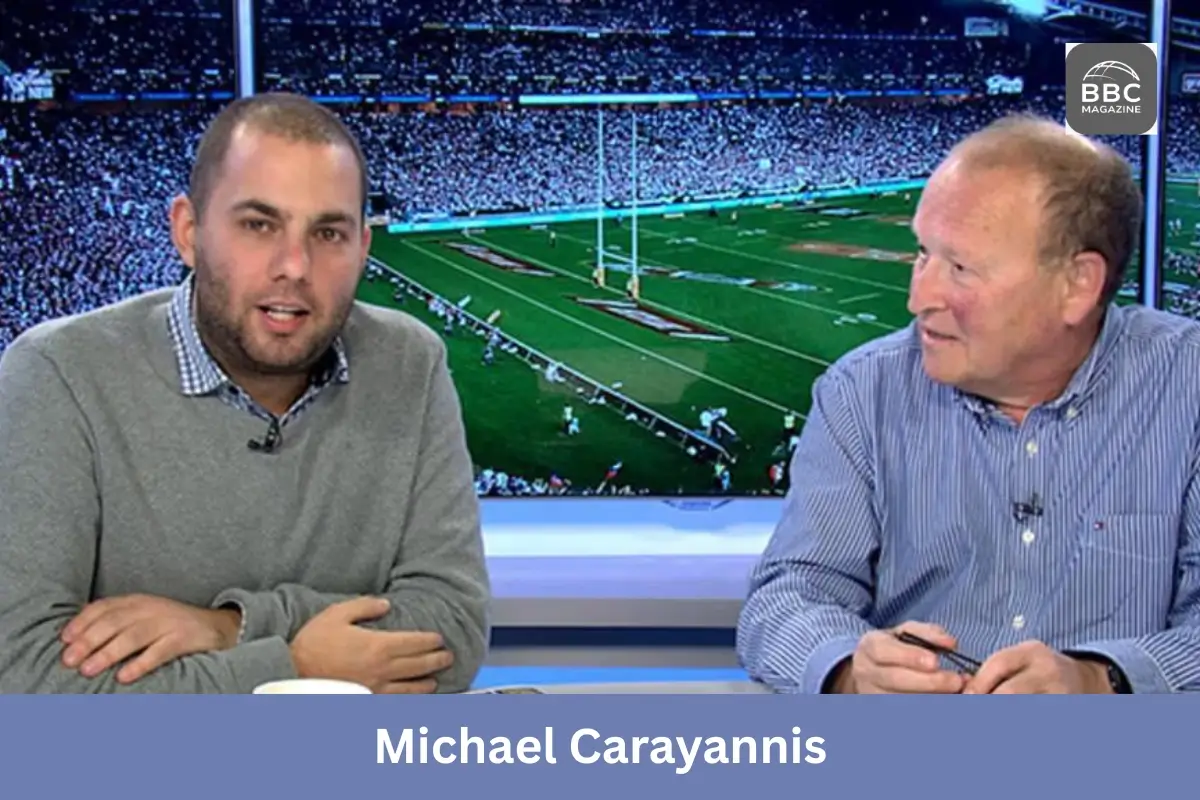
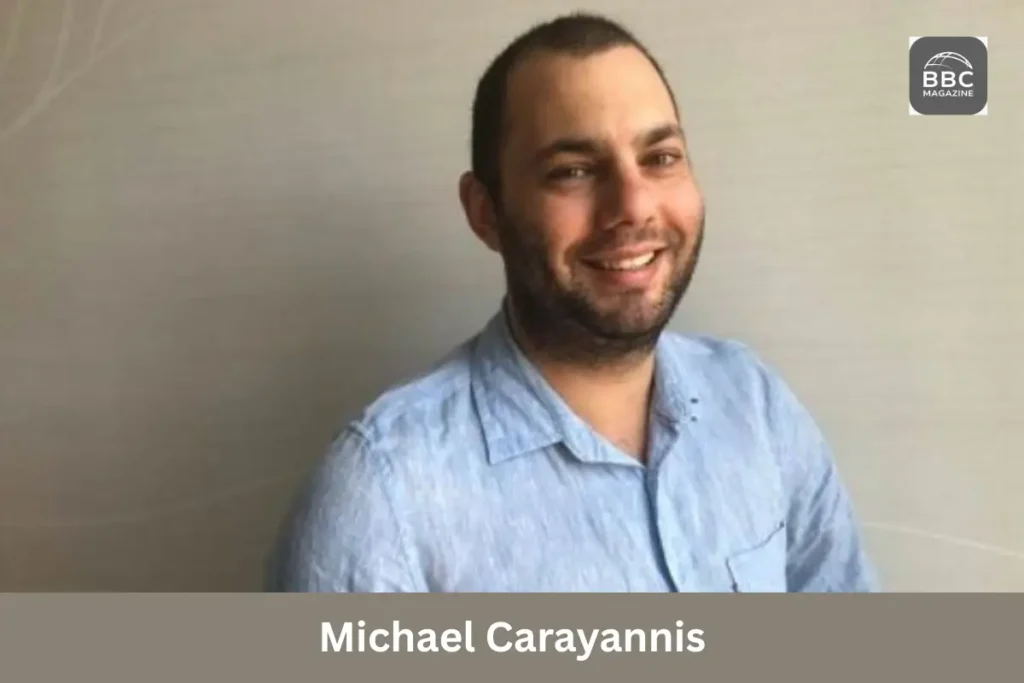
Michael Carayannis has built a strong reputation as a trusted and consistent voice in rugby league journalism. Through his work with major Australian publications and regular appearances across radio and television, he has become closely associated with informed NRL reporting and match analysis. His approach is grounded in accuracy, balance and a clear understanding of the game, which has earned him credibility among fans, players and industry figures alike.
By maintaining a clear separation between his professional work and personal life, Carayannis keeps the focus firmly on the sport itself. His continued presence across print, digital and broadcast platforms reflects his ongoing influence in Australian rugby league media and reinforces his position as a respected figure within the NRL reporting landscape.
FAQs
Who is Michael Carayannis?
Michael Carayannis is an Australian rugby league journalist best known for covering the NRL for The Daily Telegraph, The Sunday Telegraph, and CODE Sports. He is also a regular contributor across radio and television, including ABC and SEN.
Who are Michael Carayannis’ family members?
Michael Carayannis keeps his family life private, and there is no publicly detailed information about his parents, partner, or children. He is known to maintain a clear boundary between his professional work and personal life.
Who is the voice of the NRL?
Andrew Voss is widely regarded as the “voice of rugby league” due to his long-standing commentary career across radio and television, including Triple M, Fox Sports, and SEN.
Is Michael Carayannis on social media?
Yes. Michael Carayannis is active on X (formerly Twitter) under the handle @MCarayannis, where he shares NRL news, commentary, and breaking rugby league updates.
Which female rugby player transitioned to male?
Harrison Browne is a former Australian rugby union player who publicly transitioned after retiring. He previously represented the Wallaroos and later became a visible advocate for inclusion in sport.
Who is Danika Mason’s partner now?
Danika Mason is married to Todd Liubinskas, a fitness entrepreneur and former television personality. Their relationship and marriage have been publicly reported and acknowledged.
Who is the NRL commentator with a raspy voice?
Andrew Voss is often described as the NRL commentator with a distinctive raspy voice, a vocal style that has become closely associated with rugby league broadcasting in Australia.
Why did Andrew Voss leave Nine?
Andrew Voss left Nine’s Wide World of Sports in 2017 following network changes and contract decisions. He later joined Fox Sports and then SEN Radio, where he continues to work in rugby league media.